My research focuses on forced migration, citizenship, urban belonging, humanitarianism, and intergroup relations, with a particular interest in how institutions and broader political conditions are experienced and interpreted in everyday life. My work is multi-method, combining ethnographic fieldwork, in-depth interviews, participant observation, survey research, and quantitative analysis.
Urban Citizenship, Belonging, and Forced Migration
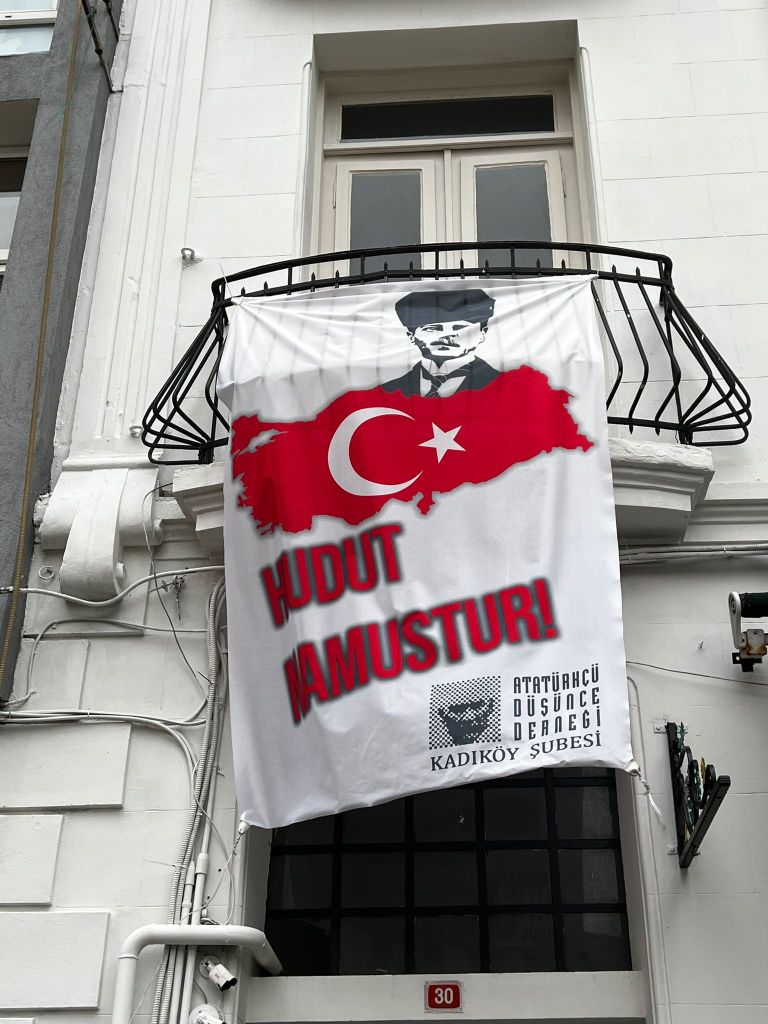
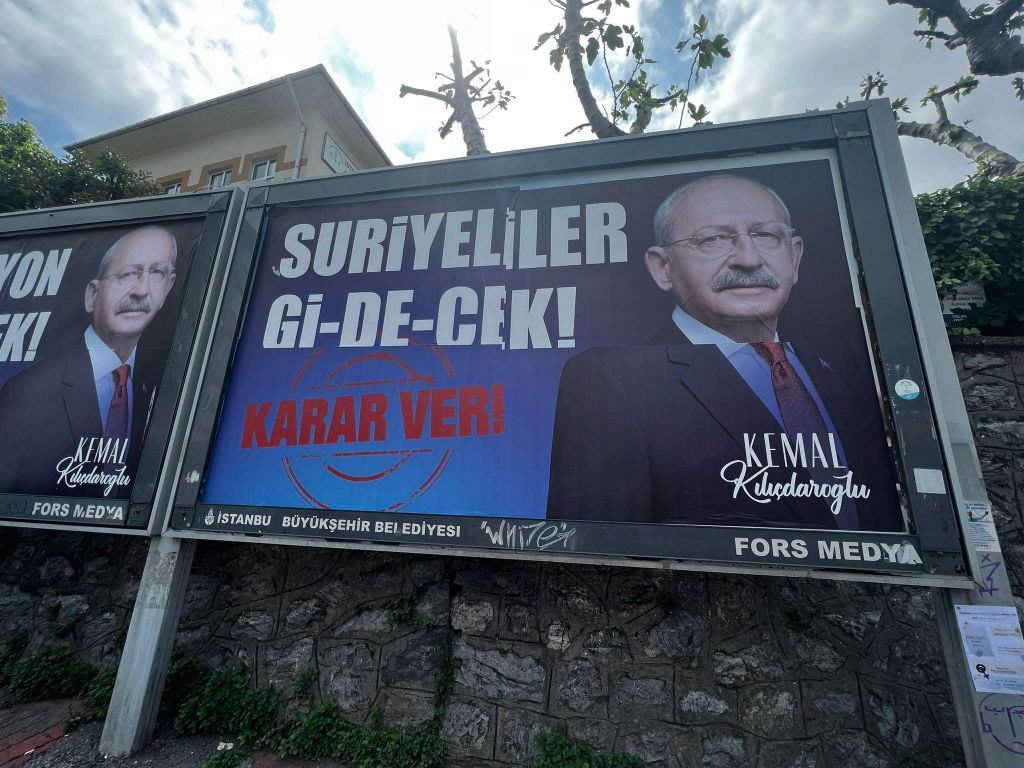
Funded by DEI grants and the Center for Gender in the Global Context at Michigan State University, my dissertation explores how refugees leverage resources to create stability amidst systemic neglect. Through interviews and participant observation with refugees, locals, and policymakers, I investigate how refugees establish urban citizenship practices. Middle-class Syrians in Istanbul have developed their own integration strategies, relying on social capital in the absence of durable government integration policies and amid societal hostility. These strategies typically manifest as “expats,” who live like Western foreigners, or “engagers,” who assimilate more closely with Turkish society. While “engagers” feel a greater sense of belonging, their integration remains fragile and contested, falling short of enabling formal political participation. Neither group, regardless of Turkish citizenship status, feels fully “Turkish enough” to have a political voice, and their contested belonging is often expressed through art and cultural production in spaces they establish. However, these spaces, which could foster integration, receive little support from local governments or NGOs and are often used as transnational hubs addressing Syrian issues, reflecting a limited engagement with Turkey’s political and social life. The first publication from this research was accepted by Refugee Survey Quarterly.
Humanitarian Engineering Project: Service Provision to Refugees During COVID-19 – As a supervisor for the ELHRA-funded project “Using Humanitarian Engineering to Solve Social Distancing Barriers in Refugee Interventions,” I coordinated teams in Lebanon, Jordan, Turkey, and the U.S. This project utilized qualitative and quantitative methods to analyze humanitarian worker behaviors and propose actionable solutions to address refugees’ needs more effectively. Findings were published in journals as Frontiers in Public Health and BMC Public Health. More info can be found in the research’s website.

